Repairing Loose Railings, Steps, and Handrails
People searching for repairing loose railings, steps, and handrails are typically looking to ensure safety and stability, and local contractors can help by providing expert repair services.
If your property has loose railings, steps, or handrails, it’s important to address these issues promptly to ensure safety and stability. Many property owners in the area find themselves exploring repair options to prevent accidents and maintain the integrity of their outdoor spaces. Whether it’s a wobbly staircase or a handrail that’s come loose over time, understanding the importance of timely repairs can help keep your home safe and accessible. Local contractors specializing in repairing loose railings, steps, and handrails can assess the situation and provide practical solutions tailored to your property’s needs.
Keeping your railings and steps secure is not only about safety but also about preserving the overall appearance and value of your property. When these elements become loose or unstable, they can pose hazards for residents and visitors alike. Service providers in the area are equipped to handle a variety of repair needs, ensuring that loose railings, steps, and handrails are properly fixed and reinforced. Continuing to read can provide valuable insights into the types of repairs available and how local experts can help restore stability and safety to your property’s outdoor features.
- Loose railings - individuals may need this service when handrails or guardrails become unstable, and local contractors typically secure or replace fasteners to ensure safety.
- Steps - when stairs become wobbly or uneven, service providers assess the structure and repair or reinforce the treads and supports for stability.
- Handrails repair - people often seek this work when handrails loosen or crack, and local pros usually tighten fittings or replace damaged sections to restore support.
- Loose railings - homeowners experiencing shifting or unstable railings can rely on local contractors to evaluate and fix anchoring or mounting issues.
- Steps and handrails - in cases of damage or wear, service providers typically inspect the entire system and perform necessary repairs to prevent accidents.
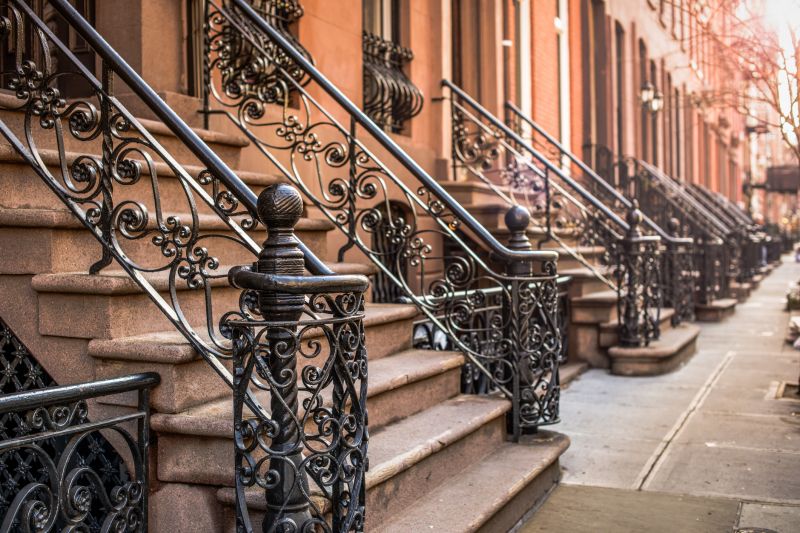
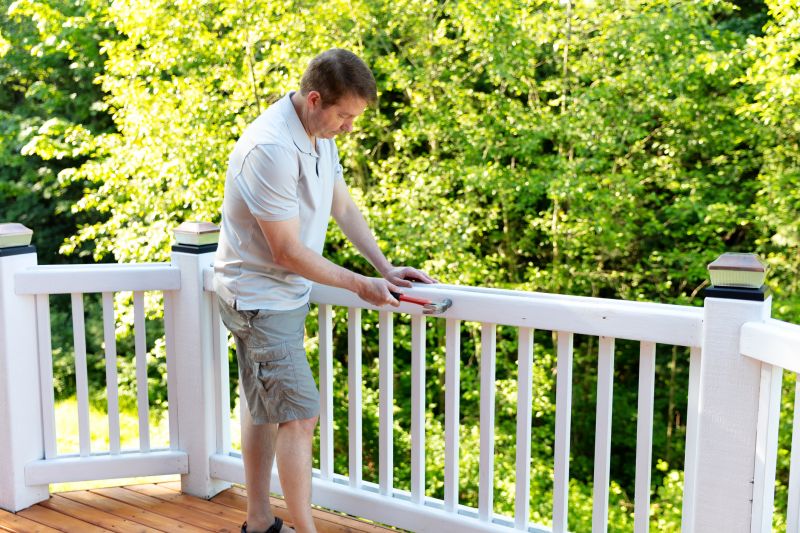
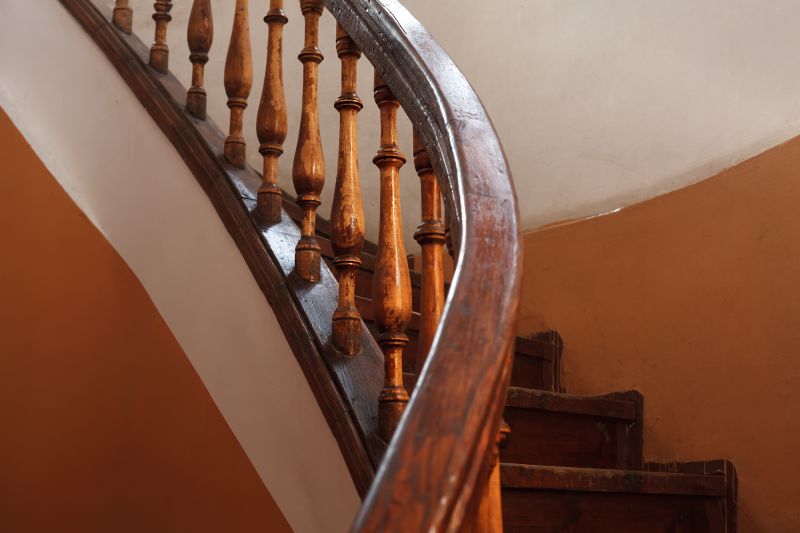
When searching for information on repairing loose railings, steps, and handrails, most homeowners are looking for solutions to safety concerns or aesthetic improvements around their property. Loose or unstable railings and steps can pose significant safety risks, especially in areas with high foot traffic or on staircases. People often want to ensure their home’s exterior or interior features are secure and reliable, whether for everyday use or to meet safety standards. This type of repair is common in homes, apartments, and commercial properties where aging or weather-related wear can cause fixtures to become loose or unstable over time.
Problems related to loose railings, steps, and handrails typically stem from structural deterioration, improper installation, or damage caused by environmental factors. Homeowners may notice wobbly handrails on staircases, loose guardrails along balconies, or uneven steps that can cause tripping hazards. These issues often require a combination of tightening, reinforcement, or replacement of parts to restore stability. Planning for repairs can involve assessing the extent of the looseness, understanding the type of existing materials, and choosing the right approach to ensure long-term safety and durability.
The types of properties that commonly come up in discussions about repairing loose railings, steps, and handrails include residential homes, multi-family buildings, and small commercial spaces. Older properties are especially prone to needing these repairs due to aging infrastructure and wear. Additionally, properties located in areas with severe weather conditions may experience faster deterioration of outdoor fixtures. Whether it’s a front porch railing that’s become loose or indoor stair handrails that need reinforcement, local service providers are experienced in handling a variety of property types and ensuring that fixtures are secure and safe for regular use.
Connecting with local contractors who specialize in repairing loose railings, steps, and handrails can help property owners address these issues efficiently and effectively. These service providers bring practical knowledge of different materials and construction techniques, making them well-equipped to assess the specific needs of each property. They can perform repairs that restore stability, improve safety, and enhance the overall appearance of the property. For homeowners and property managers, working with local pros ensures that the project is handled by experienced professionals who understand the common challenges and solutions related to loose fixtures on various property types.
Balcony and Deck Railing Repairs - repairing loose railings on balconies and decks requires similar skills in securing and stabilizing structures to ensure safety and durability.
Staircase and Porch Railing Installations - installing or fixing stairway and porch railings involves precise planning and the use of tools comparable to those used for loose railing repairs.
Handrail Replacement Projects - replacing or tightening handrails in various settings shares techniques used in repairing loose handrails for improved stability and safety.
Exterior Staircase Fixes - fixing loose or wobbly exterior stairs involves similar methods for securing and reinforcing structural components as in railing repairs.
Fence and Gate Hardware Repairs - repairing loose hardware on fences and gates requires similar planning and tools to ensure proper fastening and stability.
Interior Banister Restoration - restoring or fixing loose banisters inside a home involves skills aligned with those needed for repairing loose railings and handrails.
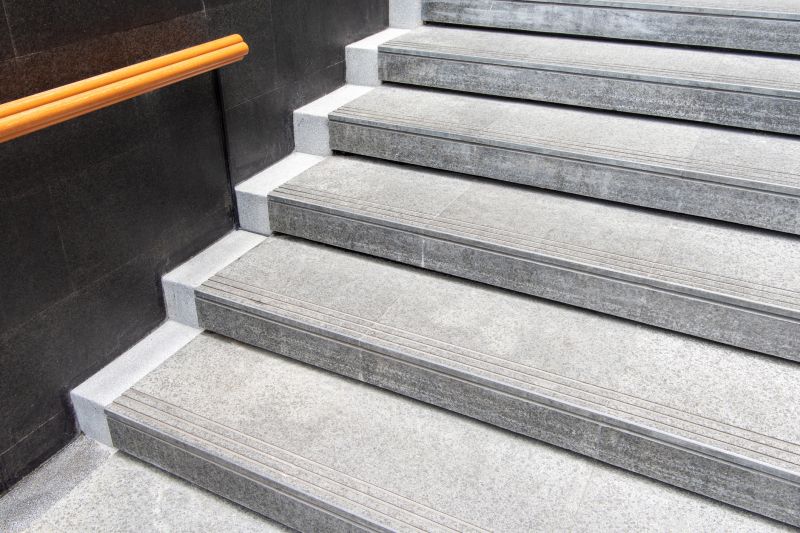
When comparing service providers for repairing loose railings, steps, and handrails, it’s important to consider their experience with similar projects. A contractor who has handled a variety of railing repairs is more likely to understand the nuances of different materials and structural requirements. Homeowners should inquire about the types of projects the contractor has completed in the past to ensure they have relevant experience that aligns with the specific needs of their property. This helps build confidence that the selected contractor can effectively address the issue and deliver a durable, safe repair.
Clear written expectations are essential when evaluating local contractors for railing repairs. Homeowners should seek detailed descriptions of the scope of work, including what will be fixed, how the repairs will be carried out, and the materials that will be used. Having this information in writing helps prevent misunderstandings and ensures everyone is on the same page regarding the project’s goals. Additionally, understanding the contractor’s process and what to expect during the repair can contribute to a smoother experience and better satisfaction with the final result.
Reputable references and good communication are key factors in choosing a reliable service provider. Homeowners are encouraged to ask for references from previous clients who had similar work done. Contacting these references can provide insights into the contractor’s professionalism, workmanship, and ability to meet deadlines. Equally important is the ability to communicate effectively-service providers who are responsive, clear, and transparent about their processes often make the repair experience more straightforward. This level of communication can help ensure that any questions or concerns are addressed promptly, leading to a more positive overall experience when repairing loose railings, steps, and handrails.
Property owners often search for repairing loose railings, steps, and handrails when they are planning practical projects around their homes and businesses. Local pros provide Loose Railings, Steps, and Handrails Repair services for everyday jobs and straightforward project options.
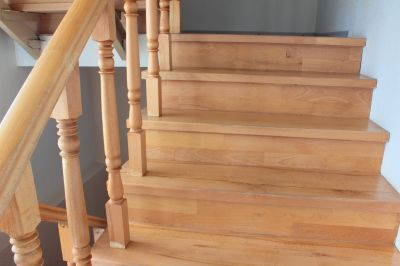
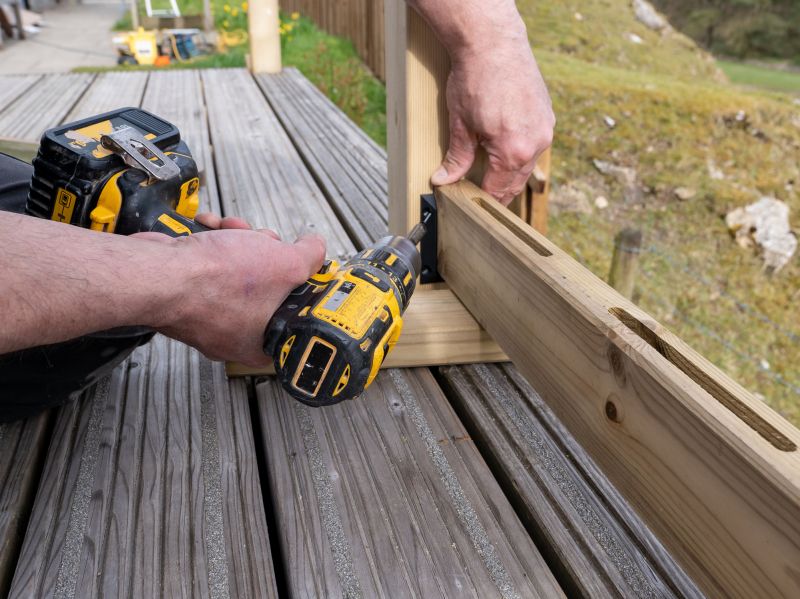
Loose railings, steps, and handrails are common issues that property owners encounter in everyday settings, especially around entrances, porches, and stairways. Over time, wear and tear, weather exposure, or accidental impacts can cause these components to become unstable, posing safety risks for residents and visitors alike. When these elements become loose, it’s important to address the problem promptly to prevent accidents and maintain the property's overall safety and appearance.
Local contractors who specialize in repairs for loose railings, steps, and handrails can provide practical solutions to these common concerns. They have the experience and tools needed to secure or replace problematic components, ensuring stability and safety. Property owners seeking reliable repair services can find experienced service providers in the area who are equipped to handle these everyday projects efficiently and effectively.
What causes railings, steps, and handrails to become loose? Loose railings, steps, and handrails can result from age, weather exposure, improper installation, or frequent use, which can weaken their attachment points over time.
How can local contractors repair loose railings and handrails? Local service providers typically inspect the existing hardware and structure, then tighten, reinforce, or replace components to ensure secure and stable railings, steps, and handrails.
Are there different repair options for wooden versus metal railings? Yes, repair methods vary depending on the material; wooden railings may require re-nailing or reinforcement, while metal railings might need welding or replacement of damaged sections.
What signs indicate that a railing or step needs repair? Signs include wobbling, visible gaps, cracks, or corrosion, which suggest that the component may be loose or compromised and should be inspected by a professional.
Why should a professional handle repairing loose railings, steps, and handrails? Professionals have the experience and tools to properly assess the situation and perform repairs that ensure safety, durability, and compliance with building standards.
Assessing structural stability - property owners can evaluate loose railings, steps, and handrails to identify areas needing repair, ensuring safety before professional services are engaged.
Selecting appropriate repair materials - choosing durable fasteners and fittings can help property owners prepare for repairs that local contractors can implement effectively.
Planning for ongoing maintenance - establishing regular inspections can prevent looseness issues and extend the lifespan of repaired railings, steps, and handrails.
Understanding repair options - researching different fixing methods allows property owners to collaborate knowledgeably with local service providers on suitable repair solutions.
If you are thinking about repairing loose railings, steps, and handrails for a property, this guide is meant to help you understand this topic, the typical project types, and how different options might fit your plans.
When you are ready, you can use the quote form on this page to share a few details about your project. From there, local pros can review the basics and follow up with options that match what you have in mind.